Accessibility Innovations Reshaping Multiplayer Gaming Platforms
Ben Ludwig · Sep 29, 2026
Accessibility Innovations Reshaping Multiplayer Gaming Platforms
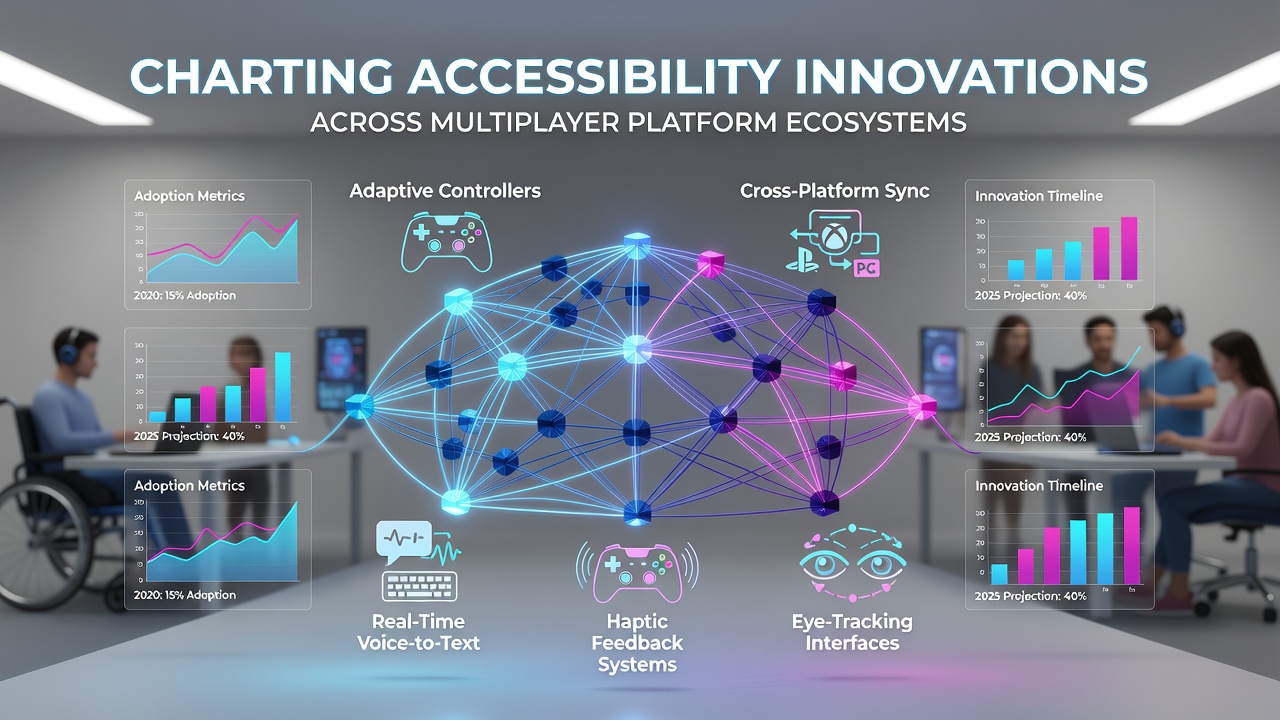
Multiplayer platform ecosystems have expanded rapidly over recent years, bringing together players from different backgrounds through shared online environments, and developers have responded by embedding accessibility tools that address visual, auditory, motor, and cognitive requirements. These efforts include customizable input mappings, real-time captioning systems, and scalable interface elements that adjust to individual preferences without disrupting group play dynamics.
Foundational Shifts in Design Standards
Early implementations focused on single-player adjustments, yet industry data shows a clear move toward synchronized features that function across competitive and cooperative sessions alike. Observers note that platforms now integrate color contrast options and audio description layers that activate seamlessly during matches, allowing participants to maintain pace with teammates while receiving necessary support cues. Research from the Entertainment Software Association indicates adoption rates for such tools rose steadily between 2023 and 2025, driven by hardware updates that embed these capabilities at the system level rather than relying on third-party patches.
Platform-Wide Implementations and Regional Influences
Across major networks, voice chat moderation tools now incorporate adjustable volume balancing and text-to-speech conversions that operate in multiple languages, reducing barriers for users with hearing differences during live interactions. In September 2026, updated compliance frameworks from European regulatory bodies are expected to influence further refinements, prompting platforms to expand subtitle synchronization across cross-region servers. Those who track these changes report that Canadian accessibility guidelines have similarly encouraged developers to prioritize adaptive difficulty scaling, enabling players with motor challenges to contribute equally in team-based objectives without separate game modes.
Case examples demonstrate practical outcomes, such as one study from a North American research institution that examined how haptic feedback patterns help convey environmental information in fast-paced titles, replacing visual indicators for certain users. This approach maintains fairness because all participants experience equivalent information delivery, albeit through varied sensory channels.
Technical Integration Challenges and Solutions
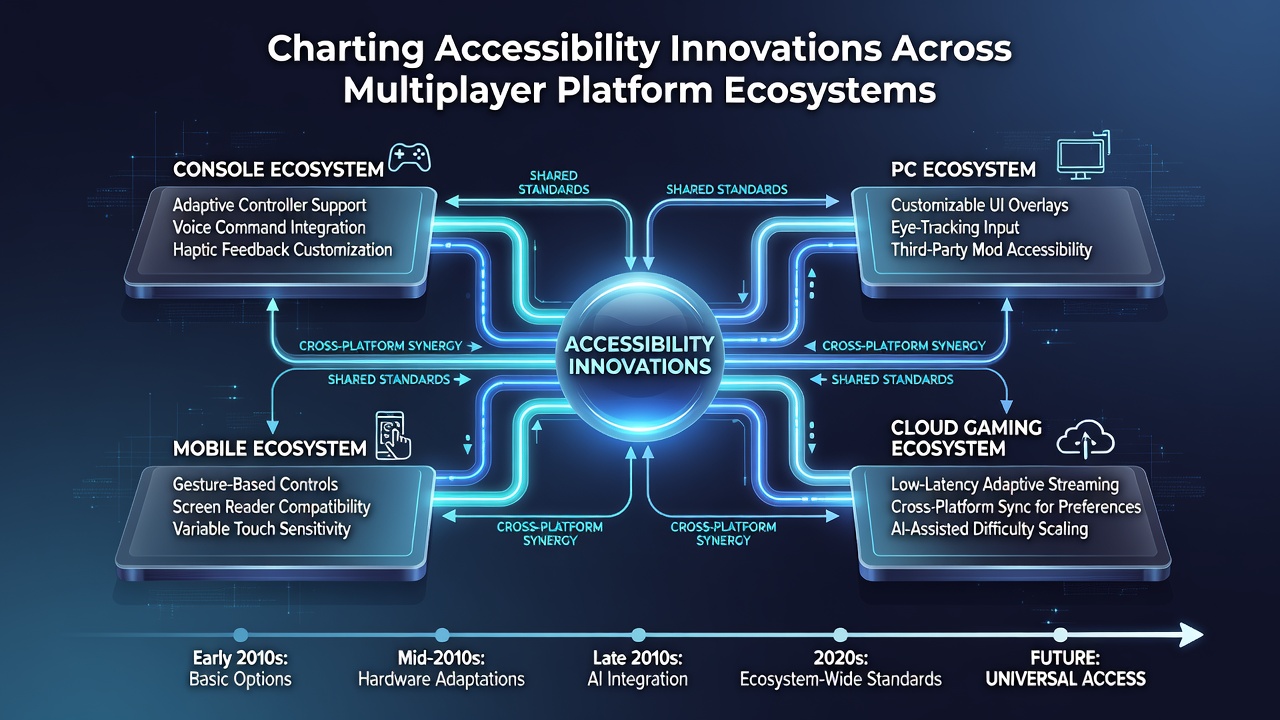
Engineers face ongoing tasks when merging these features into unified ecosystems because latency must remain minimal while processing additional data streams for captions or alternative inputs. Solutions often involve cloud-based processing that offloads computation from local devices, ensuring consistent performance across consoles, PCs, and mobile clients. Data from academic reports reveal that successful rollouts correlate with modular code architectures, allowing incremental additions like eye-tracking support or simplified menu navigation without requiring full system overhauls.
What's notable is how these innovations extend to spectator modes as well, where viewers can select personalized overlays that highlight key actions through audio or enlarged indicators. Such expansions broaden participation beyond active gameplay, creating more inclusive viewing communities around esports events and casual streams alike.
Future Trajectories and Measurement Metrics
Industry analysts project continued refinement through metrics that quantify player retention improvements tied directly to accessibility uptake. Government sources in Australia have published frameworks encouraging standardized testing protocols that evaluate multiplayer scenarios specifically, moving beyond isolated single-player checks. These protocols assess whether features like automated ping systems for hearing-impaired users integrate without creating advantages or disadvantages for any group.
One notable development involves AI-assisted real-time translation during voice communications, which connects diverse linguistic backgrounds while accommodating speech pattern variations. Figures from recent industry reports confirm that platforms adopting these layered approaches see measurable increases in session durations across demographic segments previously underrepresented in online play.
Conclusion
Accessibility advancements continue to evolve within multiplayer platform ecosystems through coordinated hardware, software, and policy updates that prioritize equitable participation. Evidence from multiple regions demonstrates that systematic incorporation of adaptive tools yields broader engagement without compromising core gameplay integrity. As new standards take effect around September 2026, observers anticipate further convergence between regulatory expectations and technical capabilities, resulting in environments where diverse player needs receive consistent support across all modes and regions.