Analyzing Player Transitions Across Mobile Free-to-Play and Console Premium Gaming Platforms
Ben Ludwig · Nov 10, 2026
Analyzing Player Transitions Across Mobile Free-to-Play and Console Premium Gaming Platforms
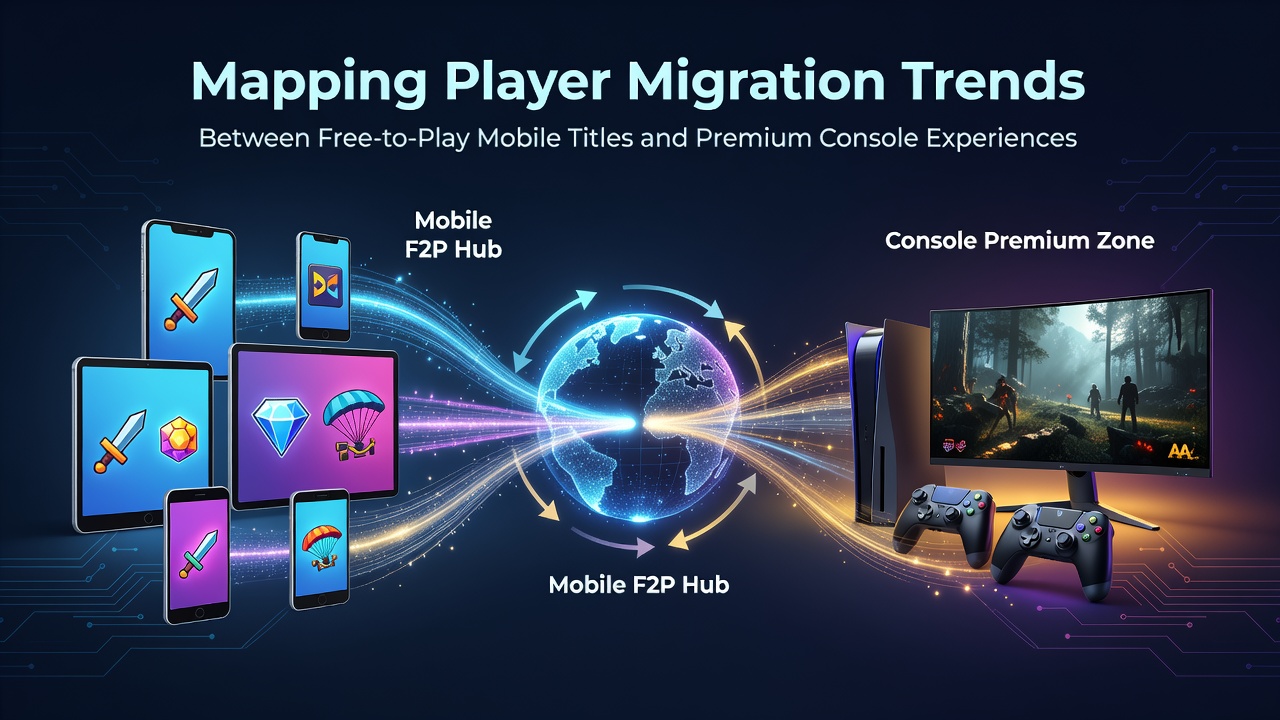
Player migration between free-to-play mobile titles and premium console experiences follows measurable patterns that researchers track through spending data, session lengths, and platform switch rates. Data from industry reports indicate that many users begin on mobile devices with games like Genshin Impact or Candy Crush Saga before moving toward console releases such as The Legend of Zelda: Tears of the Kingdom or Call of Duty titles on PlayStation and Xbox systems. These shifts occur because mobile platforms offer quick entry points with no upfront cost, while consoles provide deeper narratives and higher production values that retain attention over longer periods.
Key Data Points on Migration Flows
Surveys conducted by market analysts reveal that approximately 35 percent of players who spend more than 10 hours weekly on mobile free-to-play games report trying at least one premium console title within the same year. Figures from the Entertainment Software Association show console software sales reached 24.5 billion dollars in the United States during 2025, with growth tied to cross-platform marketing that highlights shared universes between mobile and console versions. Observers note that November 2026 brings several major console launches scheduled alongside mobile updates, creating windows where players test both formats before committing time or money.
Retention metrics demonstrate that mobile users who migrate often maintain accounts on both platforms rather than abandoning one entirely. Session data collected across regions indicates average playtime on consoles exceeds mobile sessions by factors of three to five when users purchase full-price games, whereas free-to-play models encourage shorter daily logins driven by limited energy systems or daily rewards.
Factors Influencing Platform Switches
Device accessibility drives initial mobile adoption, yet hardware limitations such as smaller screens and touch controls push some players toward consoles for competitive or story-driven genres. Research from academic institutions including studies published through the University of California system highlights how social features in mobile titles build communities that later influence console purchases when friends recommend premium versions. Economic variables also appear in the data, with higher disposable income correlating to increased console ownership among former mobile-only users.
Regional Variations in Trends
European markets tracked by the Interactive Software Federation of Europe report stronger migration toward premium experiences in countries with higher console penetration rates, while Asia-Pacific regions show sustained mobile dominance due to widespread smartphone usage and localized free-to-play content. Canadian statistics from government agencies indicate similar patterns where urban players experiment with both ecosystems more frequently than rural ones because of greater access to retail outlets and online stores.
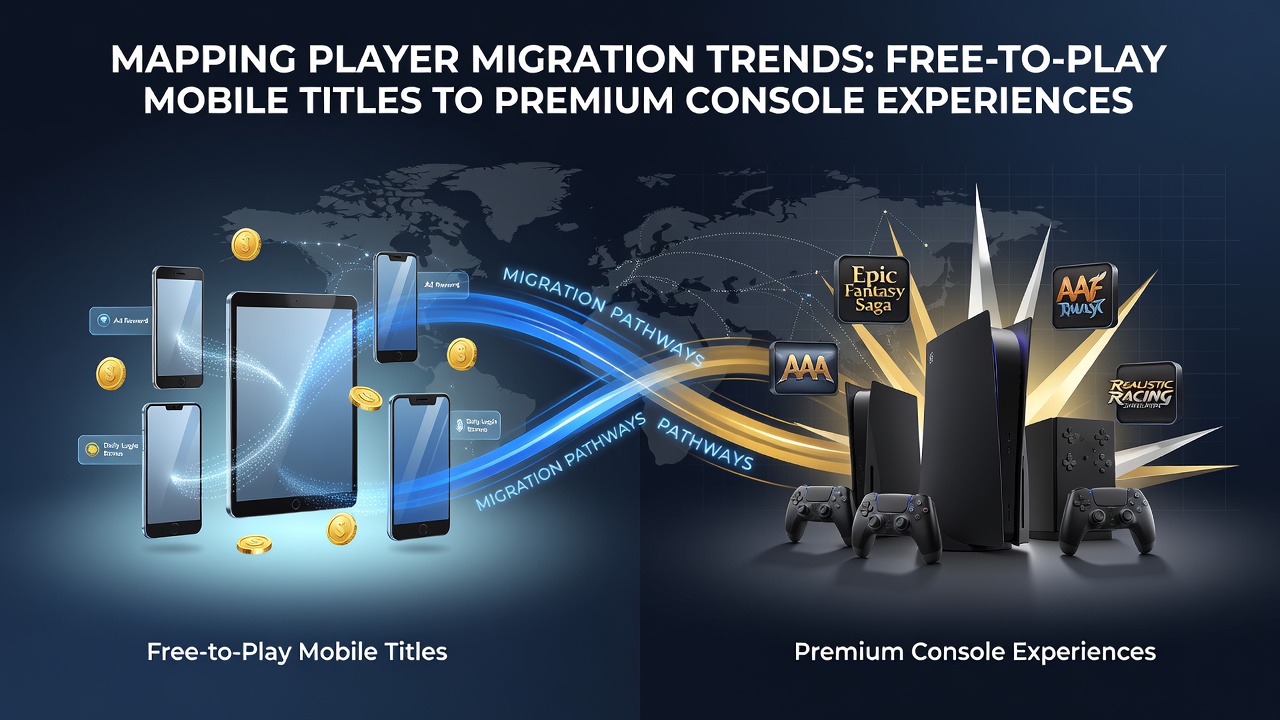
Payment models further shape these movements. Free-to-play structures rely on in-app purchases that average 2 to 5 dollars per transaction for most users, according to aggregated transaction logs, whereas console premiums involve single payments ranging from 40 to 70 dollars. Players who transition often cite the absence of aggressive monetization prompts on consoles as a factor that improves overall satisfaction, though mobile developers counter this with frequent content updates that keep engagement high without requiring hardware upgrades.
Industry Responses and Platform Features
Developers address migration by releasing companion apps or cross-save functionality that lets progress carry between devices. Examples include mobile versions of Fortnite that link directly to console accounts, allowing users to maintain the same inventory and friends lists. Trade organizations note that such integrations reduce friction and encourage experimentation rather than permanent switches away from mobile formats. Data released in advance of November 2026 events point to expanded cloud streaming options that may blur lines further by letting mobile users access console-level graphics without new hardware.
Demographic breakdowns reveal younger players under 18 tend to stay longer on mobile due to parental controls and lower costs, while adults aged 25 to 40 show higher rates of adding consoles to their routines after initial mobile exposure. These patterns emerge consistently across multiple years of tracking, suggesting structural differences in how each platform delivers entertainment rather than temporary fads.
Conclusion
Overall migration trends reflect complementary strengths between free-to-play mobile titles and premium console experiences, with users distributing time across both based on convenience, genre preference, and available budget. Continued monitoring through sales figures and user surveys will clarify how new releases in late 2026 affect these established flows.