Community Data Analysis Exposes Multi-Level Strategies in Squad-Based Shooters
Lars Sullivan · Sep 1, 2026
Community Data Analysis Exposes Multi-Level Strategies in Squad-Based Shooters
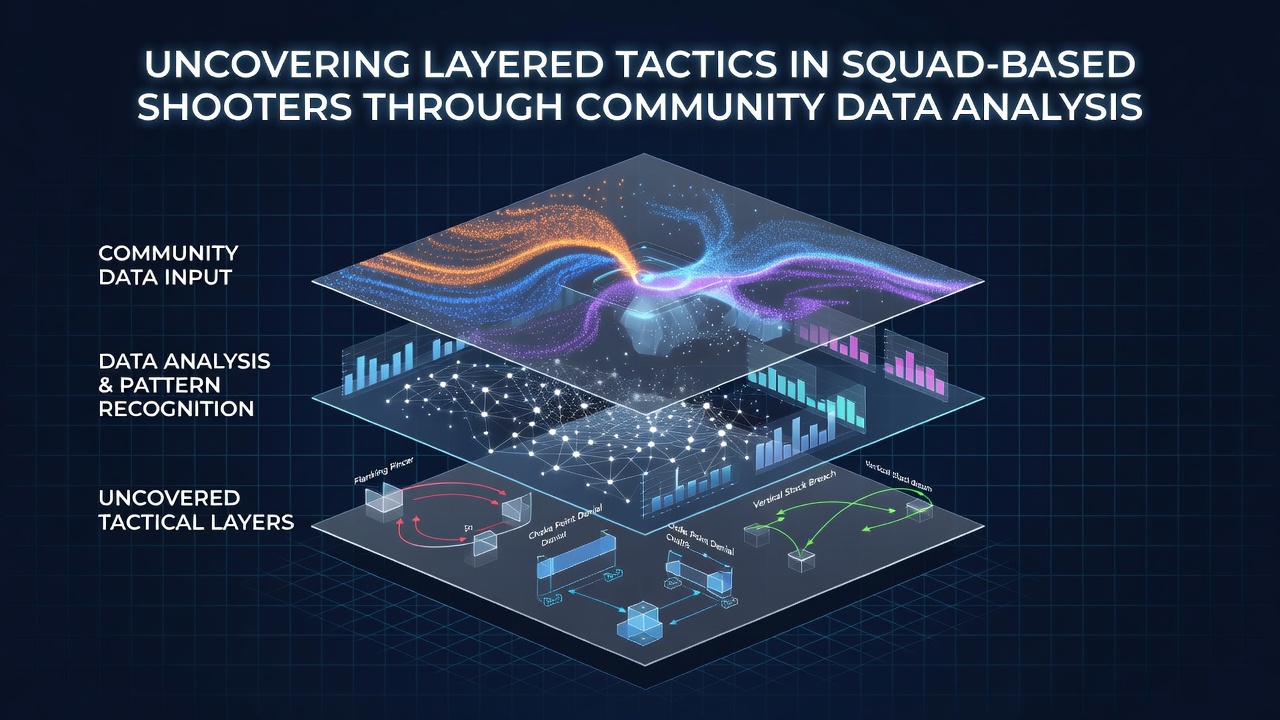
Players in squad-based shooters such as Counter-Strike 2 and Rainbow Six Siege rely on layered tactics that combine positioning, utility usage, economy management, and coordinated rotations, while community platforms compile replay files, match statistics, and heatmaps to identify patterns that individual teams overlook.
Data collected from public APIs and shared demo archives shows that win rates shift dramatically when squads adjust their mid-round decision trees based on aggregated opponent tendencies, and analysts track these variables across thousands of matches each month.
Primary Data Sources Used by Gaming Communities
Community sites aggregate information from official game servers, third-party trackers, and player-uploaded replays, creating datasets that cover map control percentages, utility deployment timing, and economy curves across different ranks. Researchers at academic institutions have examined these datasets to study decision-making under time pressure, while industry reports from the Entertainment Software Association document how player engagement metrics correlate with tactical complexity in team shooters.
Platforms that publish leaderboards and detailed breakdowns allow users to filter results by region, rank, and patch version, which reveals how meta shifts alter optimal strategies within weeks of an update. Observers note that September 2026 brought several balance changes to popular titles, prompting fresh data pulls that highlighted previously underutilized site setups on maps like Inferno and Consulate.
Layered Tactics Identified Through Statistical Review
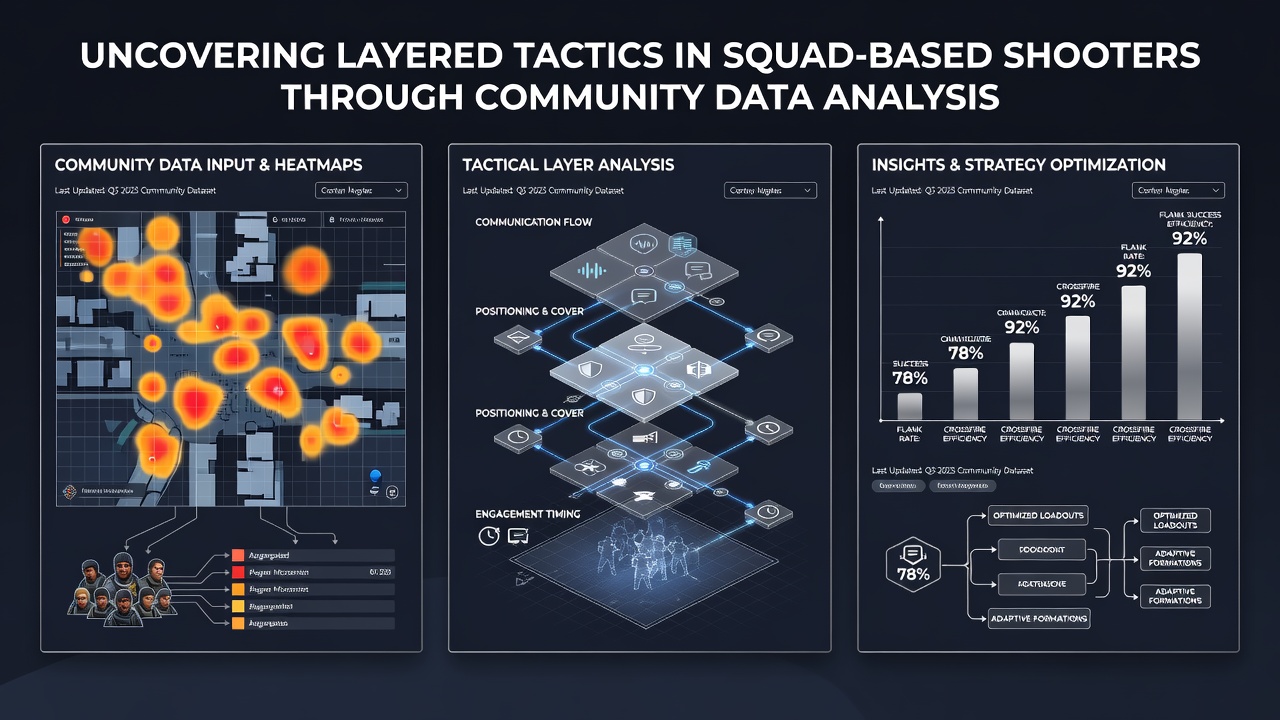
Heatmap overlays demonstrate that successful squads allocate utility in sequences rather than isolated throws, with flash and smoke timings creating overlapping zones that restrict enemy movement for set durations. Economy tracking data indicates that teams which delay full buys until round four or five achieve higher average round-win percentages when paired with conservative pistol-round approaches.
Positioning analysis breaks down into micro and macro layers, where individual angles combine with team-wide rotations triggered by specific sound cues or intel pings. Community analysts cross-reference these elements against opponent historical data to predict likely responses, and the resulting models help squads prepare counter-strategies before matches begin.
Case Examples from Recent Seasons
One widely referenced dataset from the 2025-2026 competitive cycle revealed that squads employing staggered plant timings on bomb sites increased their post-plant win rate by measurable margins compared to standard immediate plants. Another review of pro-amateur crossover matches showed that utility denial patterns on defense sides correlated strongly with overall map control statistics when tracked across multiple patches.
Analysts at the Interactive Games and Entertainment Association of Australia published summaries noting similar trends in regional ladders, where data-driven preparation reduced variance in round outcomes for mid-tier teams. These findings align with patterns observed in North American and European leaderboards, confirming that layered tactical adjustments translate across geographic player pools.
Impact on Training and Match Preparation
Teams incorporate community-derived visualizations into practice routines, running drills that replicate high-frequency opponent setups identified in the datasets. VOD review sessions now frequently reference statistical outliers rather than relying solely on subjective recall, which accelerates the identification of exploitable habits.
Coaching staff cross-check live match data against pre-scouted profiles, adjusting calls in real time when observed patterns deviate from established baselines. This approach has become standard in organized play, where preparation time includes dedicated analysis blocks focused on recent community reports.
Conclusion
Community data analysis continues to surface connections between individual actions and team-level outcomes in squad-based shooters, turning raw match logs into actionable intelligence. As datasets grow larger and tools for visualization improve, players and analysts gain clearer views of the multi-layered decision space that defines competitive play in these titles.