Tracing Data Origins: Early Player Databases Influencing Today's Esports Tactics
Ben Klein · Nov 24, 2026

Tracing Data Origins: Early Player Databases Influencing Today's Esports Tactics
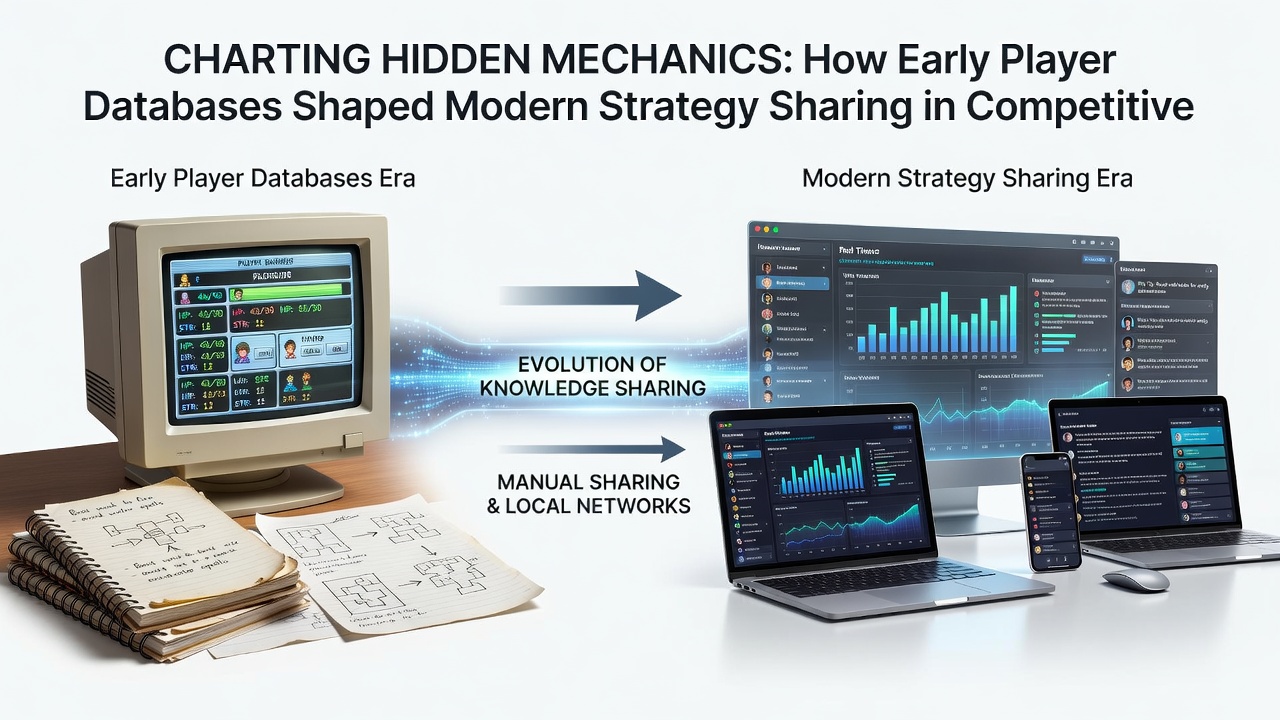
Player databases emerged in the late 1990s as communities in fighting games and real-time strategy titles began logging frame data, match outcomes, and character matchups on spreadsheets and bulletin board systems; these collections allowed groups to identify patterns that individual observation missed while tournaments grew in scale across arcades and early online platforms.
Foundations in Pre-Internet Gaming Circles
Communities around titles like Street Fighter II and StarCraft relied on handwritten notes and shared text files to track combos and build orders, yet the shift to digital storage happened when dedicated fans created searchable archives that anyone could update after matches. Researchers at institutions such as the University of California documented how these early logs reduced guesswork in practice sessions and created consistent references for newcomers joining established scenes. Data from those archives shows that players who consulted shared records improved win rates faster than those relying solely on personal experience, and similar patterns appeared in European esports circles where local leagues exchanged printouts at events.
Expansion Through Online Forums and Spreadsheets
Forums hosted on university servers and early websites became central hubs where contributors uploaded updated versions of character stats and tournament brackets, while tools like Google Sheets later allowed real-time collaboration across continents. Observers note that this period marked a transition from isolated note-taking to collective databases that included variables such as stage interactions and patch changes, and one study from a Canadian research group found that teams using coordinated spreadsheets advanced further in regional qualifiers than those without access. What's interesting is how these systems handled version control before modern wikis existed, often through manual backups posted in dedicated threads that preserved historical data for later analysis.
By the mid-2000s, organizations tracking competitive scenes began integrating these player-maintained resources into official event coverage, which accelerated the spread of verified information across different regions and game genres.
Transition to Centralized Platforms and Analytics
Contemporary strategy sharing builds directly on those initial collections through sites that aggregate millions of matches from public APIs, yet the core principle remains the same: crowdsourced verification of hidden mechanics that developers do not always publish openly. Figures from the Entertainment Software Association reveal steady growth in the number of players contributing to public databases between 2010 and 2025, and similar trends appear in reports issued by Australian gaming industry groups that track participation in ranked modes. And those early spreadsheets trained a generation of contributors who now maintain detailed wikis and overlay tools used in professional broadcasts around November 2026, where analysts reference historical matchups during live commentary.
Industry associations in Asia and North America have since developed guidelines for data accuracy that echo practices started in those first forums, while university programs in game design incorporate case studies of database evolution to teach students about community-driven documentation. External links to resources such as the International Game Developers Association and reports from the Esports Research Organization illustrate how structured data practices support both amateur and professional levels without relying on single regional authorities.
Impact on Current Competitive Environments
Modern arenas integrate these historical approaches into real-time applications that display opponent tendencies and optimal item builds drawn from aggregated logs, and this continuity explains why new participants can access decades of refined knowledge within minutes of starting a game. Observers note that the practice reduces the learning curve for complex titles while preserving the need for personal adaptation during matches. Data indicates that regions with strong early database traditions maintain higher retention rates in competitive ladders, and similar outcomes surface in studies examining player progression across multiple genres.
Future Directions for Shared Resources
Developers now partner with community maintainers to incorporate verified mechanics into official patch notes, which builds trust and encourages further contributions from global participants. This collaboration continues patterns established decades earlier, when small groups first decided that pooling observations produced better results than isolated efforts.
Conclusion
The progression from basic logs to sophisticated platforms demonstrates how consistent community documentation has supported the expansion of competitive gaming while maintaining accessibility for participants at every level.